Six programs, working as one system
Turning a farmer's harvest into stable, usable income — the problem, our intervention, and the outcome, for each one.
Loans sized and timed to the harvest
The problem. Formal credit is rarely built around an agricultural calendar. Farmers who need capital in the weeks before planting are instead offered credit on a bank's schedule, not the season's — if they can access formal credit at all. The alternative is informal lending at rates that quietly erase the value of the harvest it was meant to fund.
Our intervention. We structure small, well-timed loans so farmers can buy seed, inputs, and equipment exactly when the season calls for it. Each loan is sized against a realistic estimate of that season's harvest and scheduled to be repaid from it, so the farmer is never carrying debt that outlives its purpose.
The outcome. Since founding, this program has helped generate more than $89,000 in additional income for the families we work with — money that stayed with the households that grew it, instead of being absorbed by interest or lost to a missed planting window.
$89K+ earned for families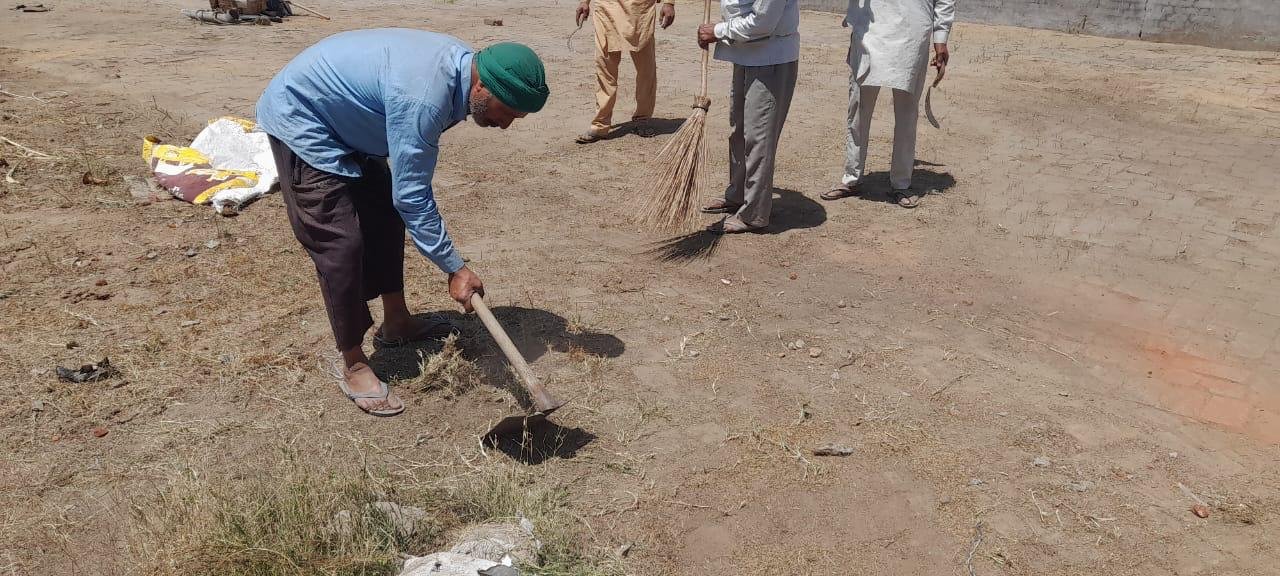
Tools that protect the harvest, not just grow it
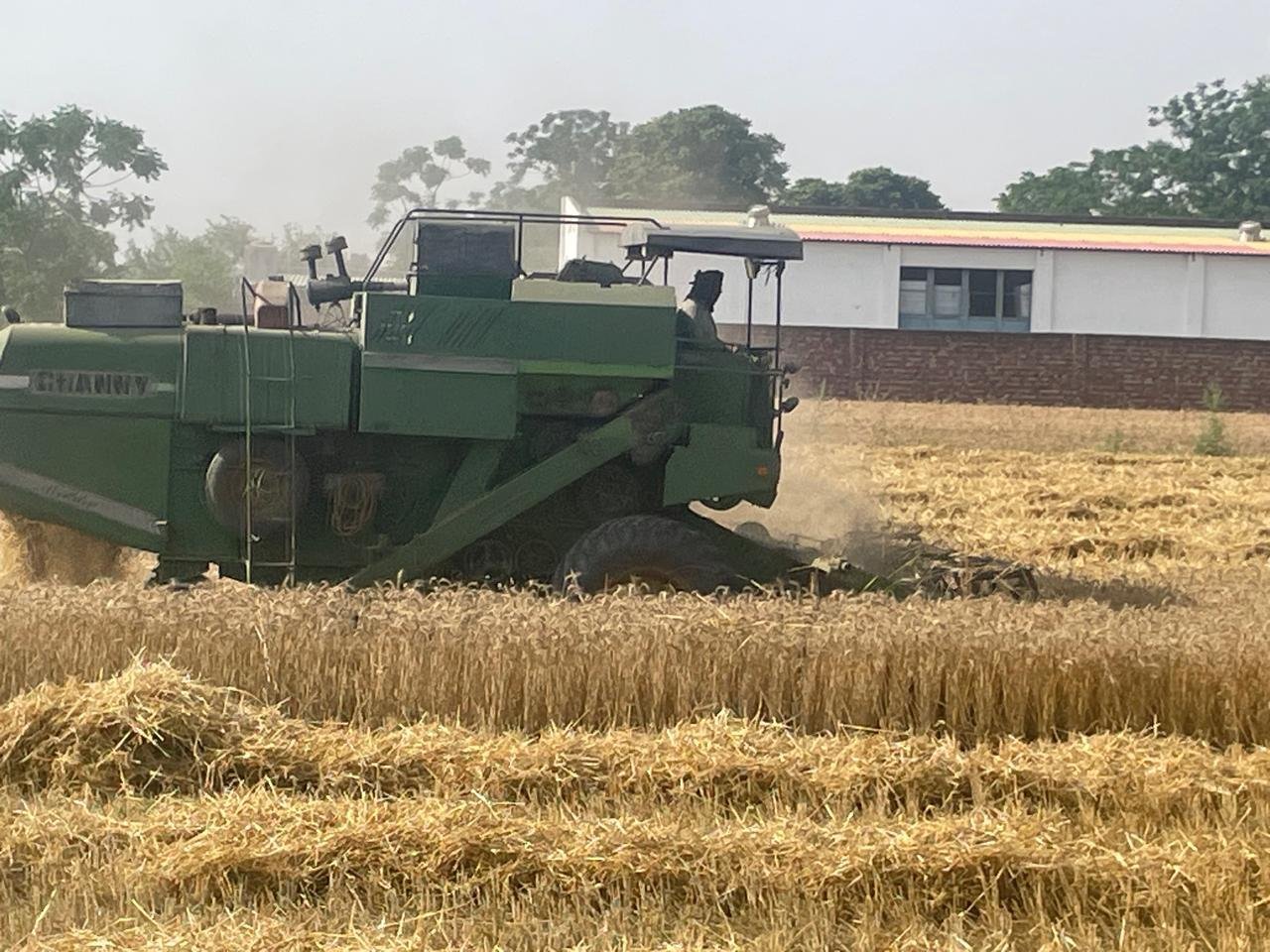
The problem. Outdated or shared equipment is one of the biggest silent costs in rural farming. It isn't that the harvest fails to grow — it's that a meaningful share of it is lost, damaged, or degraded in quality between the field and the point of sale, purely because of the tools available to handle it.
Our intervention. We work directly with farmers to build and access better equipment, and to put it to use in the field rather than leaving it as a one-time donation. The goal is never the equipment itself — it's the share of every harvest that equipment protects from being lost before it can be sold.
The outcome. Farmers using upgraded equipment consistently bring more of their harvest to market in sellable condition, which compounds every season it stays in use — a durable productivity gain rather than a one-off improvement.
Built and deployed with farmersA direct route from farm to buyer
The problem. Even a well-grown, well-preserved harvest is only worth what the nearest buyer will pay for it. Without a direct route to a fair-paying market, farmers are functionally price takers — accepting whatever the closest middleman offers, because the alternative is letting the produce spoil in storage or in transit.
Our intervention. We work with the Food Corporation of India and a network of 59 partner rice mills to connect farmers' produce to markets more reliably, giving smaller farmers a dependable buyer and a clearer, shorter path from harvest to sale. This partnership is central to the program — it's the single relationship that turns "grew a good harvest" into "sold a good harvest at a fair price."
The outcome. Farmers connected through this channel gain a consistent buyer relationship instead of a one-off transaction, which brings predictability to a part of the season that used to be the most uncertain.
59 rice mill partners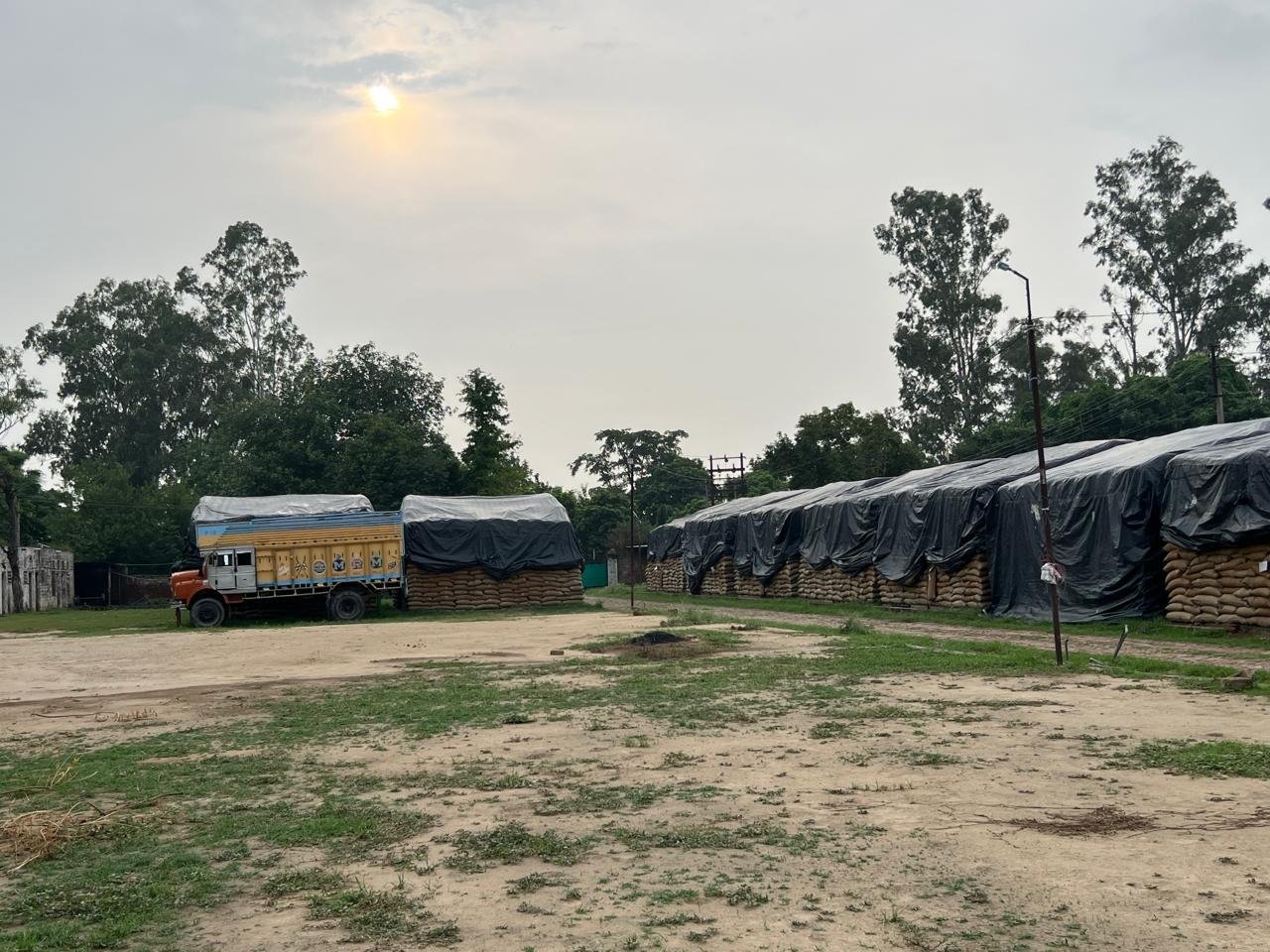
Access without use is just paperwork. Everything on this page is measured by what actually gets used.
The account and the credit card that unlock everything else
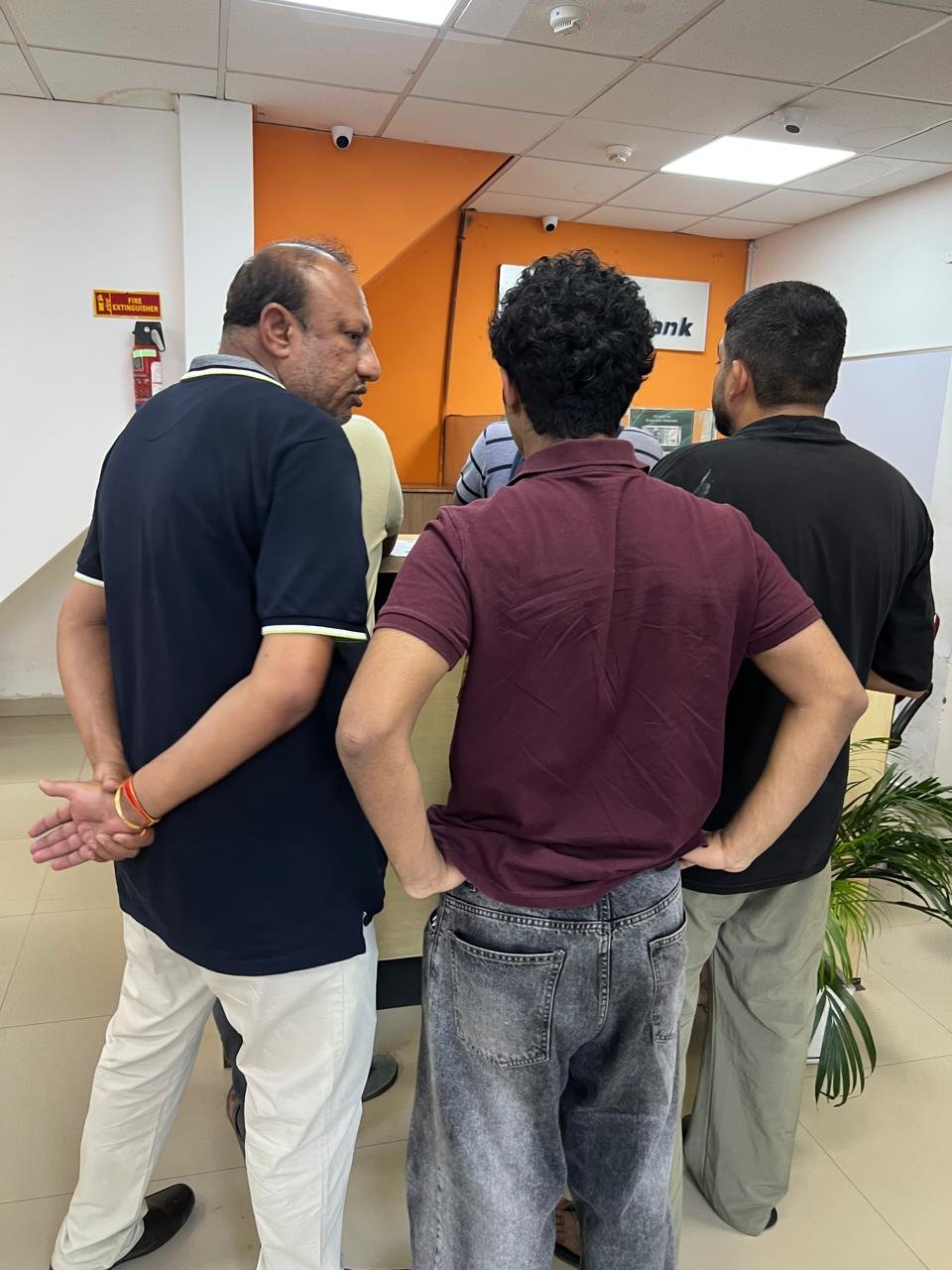
The problem. A large share of the families we work with had never held a formal bank account before we met them — and without one, government agricultural welfare programs and credit schemes are effectively unreachable, no matter how formally entitled a family is to them.
Our intervention. We've helped open 670 bank accounts with four partner banks — ICICI Bank, Yes Bank, HDFC Bank, and State Bank of India — walking families through paperwork, identification, and the first branch visit. From there, we enroll eligible farmers in government-backed agricultural credit cards: 131 farmers so far, each now holding a formal line of credit tied to the agricultural calendar instead of relying on informal lenders.
The outcome. Every other pillar of this work depends on this one. A loan needs an account to disburse into; a credit card needs a bank relationship to exist at all. This is the foundation the rest of the model is built on.
670 accounts · 131 credit cardsWhere access turns into everyday use
The problem. Access on its own isn't enough. A bank account that's never used, a credit card whose terms aren't understood, or equipment nobody was trained on don't move the numbers we actually care about — they just sit there as unused potential.
Our intervention. We've run 37 workshops so far, teaching farmers how to actually use the tools we help put in place: managing a bank account day to day, understanding what a credit card's terms actually mean, and getting the most out of new equipment. These sessions are hands-on and run in the communities we work in, not delivered as a one-time pamphlet.
The outcome. Families who go through a workshop use the tools we've connected them to more consistently and with more confidence — which is ultimately what turns "we opened an account" into "the account is doing something for this family."
37 workshops run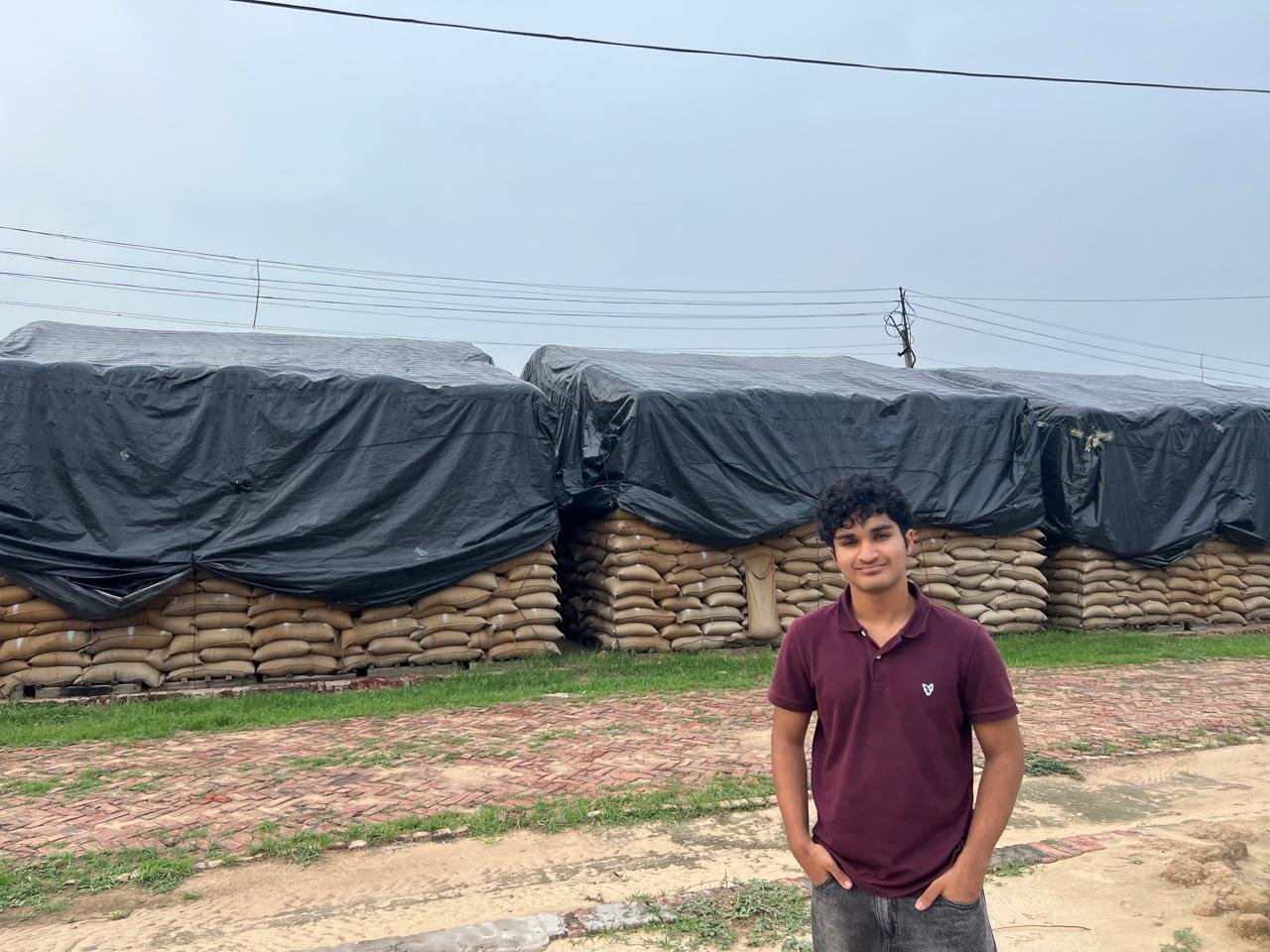
A second income, alongside the harvest
The problem. A family that depends on a single crop is exposed to a single season's weather, price, and yield. When that one harvest underperforms, there's no fallback — the household absorbs the full loss with no other income to soften it.
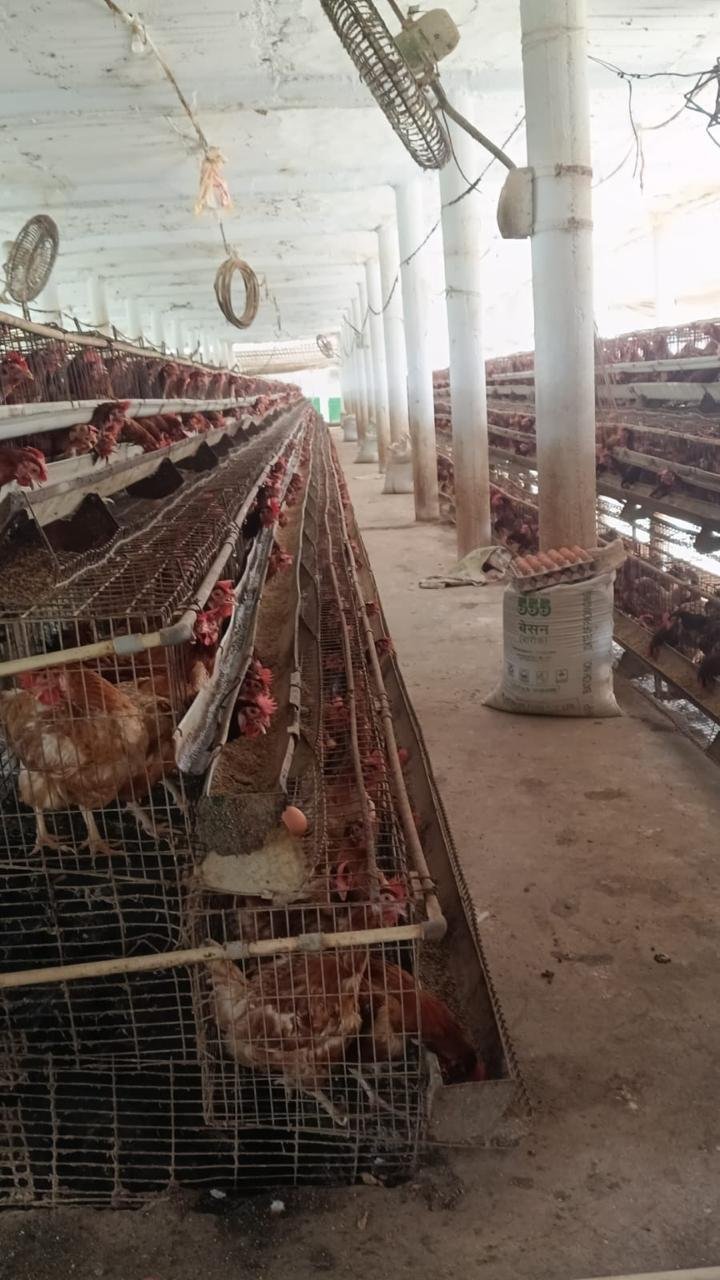
Our intervention. Eclipsion has begun supporting a poultry farming initiative alongside our core crop-focused work, helping farming families set up and run egg and poultry production as a second, more consistent source of income that doesn't depend on the same seasonal risks as a crop harvest.
The outcome. This program is newer than our banking and credit work, and we're still building it out. The underlying idea is the same one behind everything else on this page: durable household income comes from having more than one reliable source, not from betting everything on a single season.
A newer, growing programThe numbers behind these six programs
Every program on this page rolls up into the totals on our Impact page — accounts opened, credit unlocked, families reached.