Closing the gap between growing and earning
Who we are, why we exist, how we work, and where we're headed.
An international NGO, working on the ground in India
Eclipsion is an international NGO focused on the financial and practical side of rural farming: credit, equipment, market access, and logistics. We don't run a single program in isolation — we work alongside farming families across the full chain of decisions that turns a harvest into an income, from the loan that funds the season to the buyer who pays a fair price at the end of it.
Our current work is based in India, where we've built direct partnerships with the Food Corporation of India, government agencies, four national banks — ICICI Bank, Yes Bank, HDFC Bank, and State Bank of India — and 59 partner rice mills. Those partnerships are what let us move from good intentions to actual accounts opened, actual credit extended, and actual produce sold.
The organization's remit is international. India is where the model has been proven — 4.6K+ families, 670 bank accounts, and a working relationship with a national logistics body — and it's the foundation we intend to build on as we look at where else this same approach could close the same gap.
The economic problem we're trying to solve
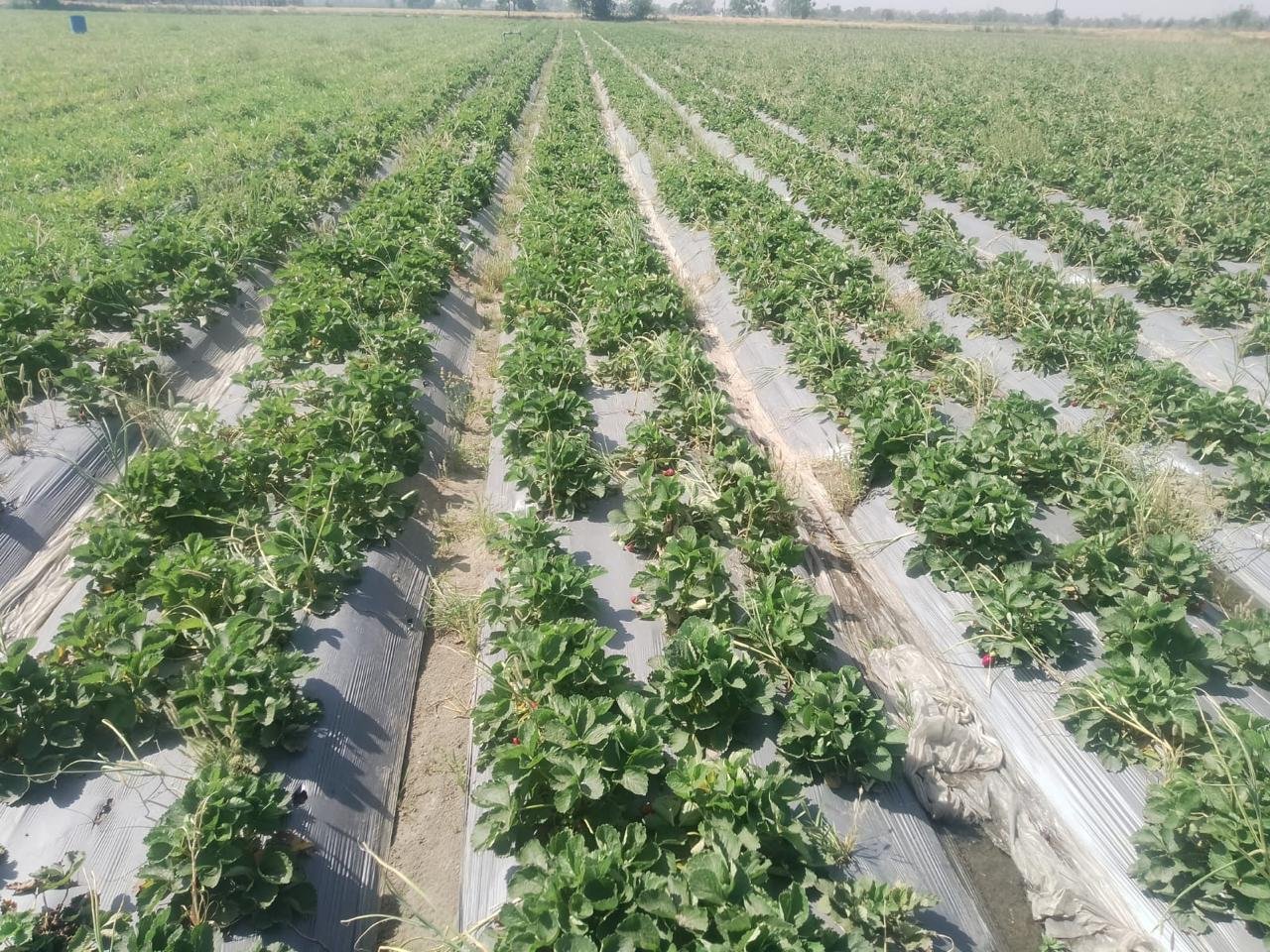
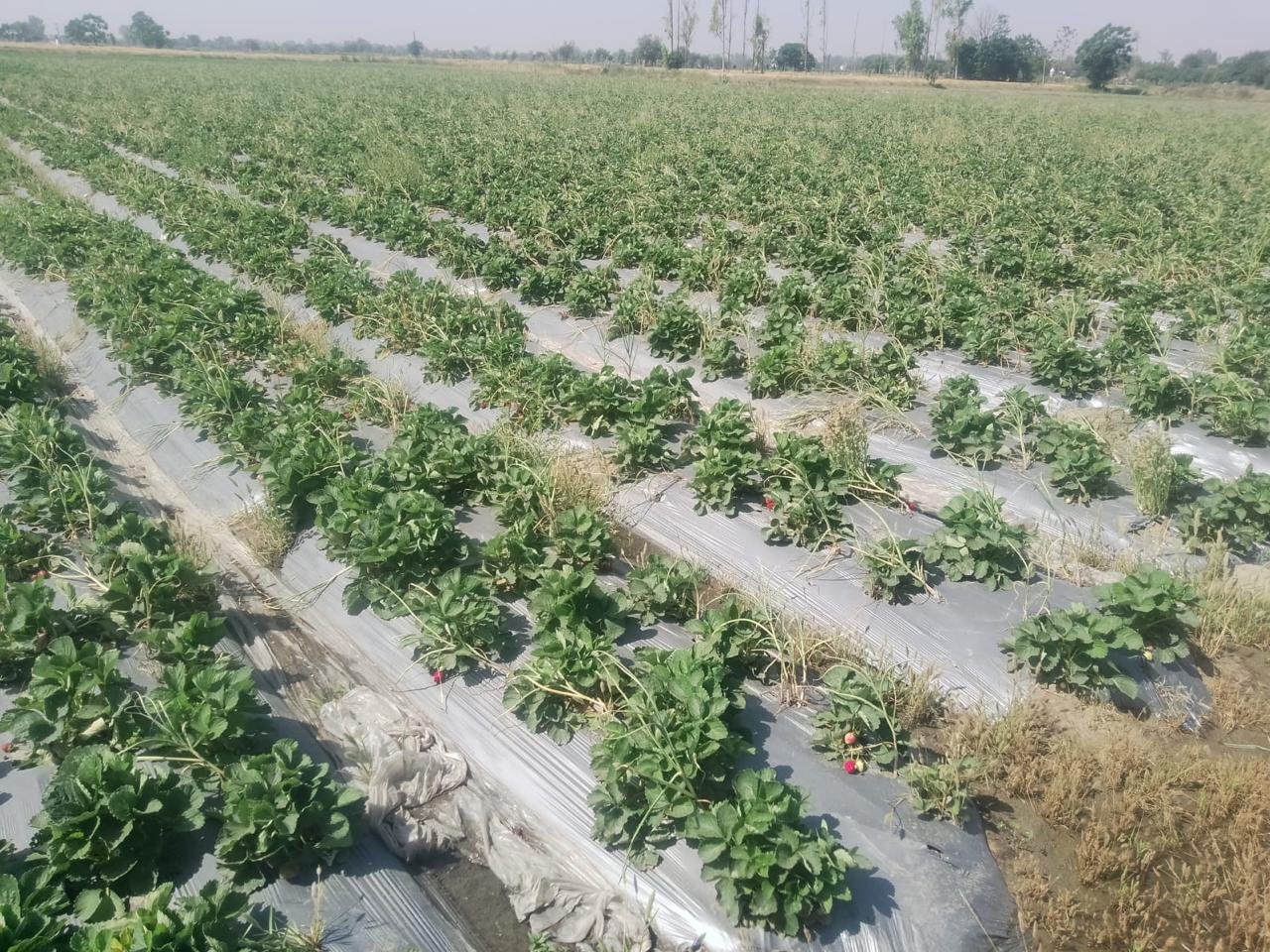
Eclipsion started from a simple observation: rural farmers were producing real value every season, but very little of that value was reaching them as stable income. The gaps weren't about effort or skill — they were structural. Farmers lacked access to credit that matched their harvest cycles, worked with equipment that limited how much of their crop survived to market, and had no reliable way to move produce from field to buyer.
Underneath those problems sat a more basic one: many of the families we met had never held a bank account, and had never been able to access the government agricultural welfare and credit programs they were formally entitled to. Without that first foothold, every other form of support stayed theoretically available but practically out of reach.
Eclipsion was founded to work directly on those gaps, starting with the communities where the need was clearest. It has grown one relationship, one account, and one loan at a time since — and every part of the organization still traces back to that original observation: the problem was never the harvest, it was everything that was supposed to happen after it.
Finance, equipment, and markets aren't three problems. They're one problem, treated as three so it feels more manageable.
Why we don't run one clean program
It would be simpler — just microloans, or just equipment donations. We don't, because in practice these problems don't separate cleanly, and treating them as isolated tends to produce shallow, temporary results.
A loan without better equipment just lets a farmer buy the same outdated tools faster. Better equipment without market access just produces more of a crop that still sells for less than it's worth. Market access without a bank account means the income from that better sale has nowhere safe to go, and no path into the credit and welfare systems that could compound it further. Each piece props up the others, and pulling any one of them out tends to erode the value of the rest.
So we treat the four pillars — microloans, equipment, logistics, and financial inclusion — as one connected system, applied together for each family we work with, rather than as four separate programs a farmer might qualify for individually. It's slower and more labor-intensive than running a single-issue program at scale. We think it's also the only version of this work that actually holds.
From a farming community to a measured outcome
Identify the community
We start in villages where the gap between growing and earning is widest, and where a local, trusted point of contact can help us do this properly rather than parachuting in.
Assess each family's needs
Credit, equipment, and market access needs differ family to family. We assess individually rather than applying a single template to every household.
Provide the right support
A loan, a piece of equipment, a bank account, an enrollment in a government credit scheme — whichever combination actually closes that family's specific gap.
Connect to institutions
We hand families off to real, lasting relationships — a bank branch, the FCI, a government scheme — rather than keeping them dependent on us as an intermediary.
Measure the outcome
Accounts opened, loans repaid, income earned. We track what actually happened, not just what was distributed, and the numbers on our Impact page reflect that.
How the work has compounded
Eclipsion didn't launch with all four pillars running at once — each one came online as the last proved out and the right partnership fell into place. This is the order it happened in.
-
Getting started
Eclipsion begins working directly with farming families in India, focused on the same three pillars from day one: credit, equipment, and logistics.
-
First bank partnerships
Formal accounts open for farmers, many for the first time, in partnership with ICICI Bank, Yes Bank, HDFC Bank, and State Bank of India.
-
Government-backed credit
Farmers begin enrolling in government-backed agricultural credit cards, unlocking formal credit tied to the agricultural calendar.
-
A logistics partner in the FCI
A working relationship with the Food Corporation of India gives smaller farmers a dependable, direct route to market.
-
4.6K+ families, and counting
The work compounds: more accounts, more equipment upgrades, more workshops, and more families with a stable income to show for a good harvest.
Leadership

Advik Bansal — Founder & Managing Director
Advik founded Eclipsion to close the gap between what rural farmers grow and what they're able to earn from it. He leads the organization's partnerships with banks, government agencies, and the Food Corporation of India, and works directly with farming communities on the ground in India — from the first conversation in a village to the numbers that eventually show up on the Impact page.
The institutions that make this work possible
None of this happens without organizations willing to build with us on the ground — the banks that open accounts, the government bodies that back our credit programs, and the logistics partner that gives our work a route to market.

UNDP
International partnership supporting our program design.
Ministry of Agriculture
Government partner on agricultural credit and farmer support programs.
Food Corporation of India
Logistics partner connecting farmer produce to reliable buyers.
ICICI Bank
Banking partner for farmer account access.

Yes Bank
Banking partner for farmer account access.
HDFC Bank
Banking partner for farmer account access.
State Bank of India
Banking partner for farmer account access.